Mosquitoes target individuals based on body heat, CO2, and skin microbes
Scientific studies show that mosquitoes use a complex combination of sensory cues to select hosts, ranging from carbon dioxide emissions to unique skin microbiome signatures.
- Development: Mosquitoes target individuals based on body heat, CO2, and skin microbes
- Core Takeaway: Scientific studies show that mosquitoes use a complex combination of sensory cues to select hosts, ranging from carbon dioxide emissions to unique skin microbiome signatures.
- Context: Primary reporting aggregated across independent newsrooms and verified against CurrentDeck standards.
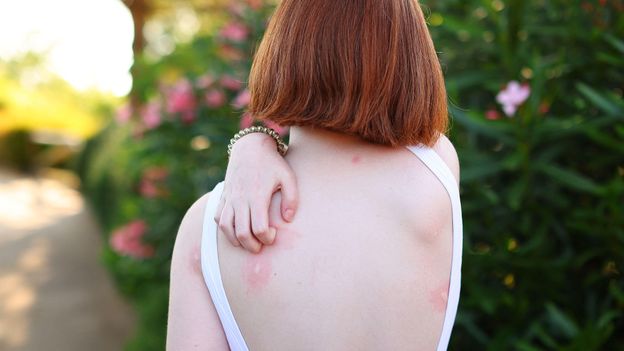
Mosquitoes have long been a source of frustration for those who find themselves repeatedly targeted, while others remain unscathed. New research and expert insights reveal that these insects are not randomly selecting victims but are instead guided by a complex interplay of biological signals, including carbon dioxide (CO2), body heat, and the unique chemical composition of human skin. These factors, shaped by genetics, physiology, and microbial communities, determine why some individuals are more attractive to mosquitoes than others.
Female mosquitoes, the only sex that bites, rely on a combination of sensory cues to locate hosts. From around 10 metres (33ft) away, they detect CO2 exhaled in breath, which acts as a primary attractant. This explains why larger individuals, pregnant women, and those engaged in physical activity are often more vulnerable. Pregnancy increases metabolic rate and CO2 output, making expectant mothers up to twice as attractive to mosquitoes. Similarly, exercise elevates body temperature and CO2 levels, creating a "heat signature" that draws in the insects. "You've got a little furnace inside you; you're hotter," says Steve Lindsay, a public health entomologist at Durham University.
As mosquitoes close in, they shift focus from CO2 to thermal and olfactory signals. Body heat and moisture play a critical role, with studies showing that mosquitoes are more likely to target individuals with higher skin temperatures. However, the mechanism is not absolute—researchers have found that disrupting a mosquito’s ability to sense warmth can reduce its feeding behavior, though not entirely eliminate it. This suggests that heat is one of many factors in the insects’ decision-making process.
The role of skin microbiota has emerged as a key area of investigation. Human skin hosts a diverse community of bacteria that break down compounds like fatty acids and peptides into volatile organic compounds (VOCs). These chemicals, which vary between individuals, act as a "scent signature" that mosquitoes can detect. A study by researchers at the Rockefeller University found that individuals with higher levels of carboxylic acids on their skin were significantly more attractive to mosquitoes, with some people being 100 times more likely to be bitten than others. This "attractiveness score" appears to be largely genetically determined, with identical twins showing similar susceptibility, while non-identical twins differ.
Contrary to popular belief, blood type may not be the decisive factor. While some studies suggest Type O blood attracts mosquitoes more than other types, others, including research from the Institute of Research for Development, argue that this link lacks robust scientific evidence. Instead, the focus has shifted to the chemical complexity of skin odor. "It's not a misconception—mosquitoes are attracted to some people more than others," says Frederic Simard, a medical entomologist. "But we are not all magnets all the time." The microbiome’s role in producing these odors complicates the picture: individuals with less diverse bacterial communities on their skin may be more appealing, possibly because their microbial activity generates stronger volatile signals.
Other factors, such as alcohol consumption and clothing color, have also been linked to mosquito attraction. A 2023 study in the Netherlands found that people who drank beer were 1.35 times more likely to attract mosquitoes, likely due to changes in body temperature and skin chemistry. Additionally, a 2022 study from the University of Washington suggested that dark colors like black and red may make individuals more visible to certain mosquito species, though this remains a topic of debate.
Despite these insights, no one is entirely immune. Heather Ferguson, a medical entomologist at Glasgow University, emphasizes that even those who believe they are rarely bitten should take precautions. "Even if you believe you don't get bitten, you should still protect yourself," she says. Repellents containing DEET, picaridin, or PMD, along with long clothing and insecticide-treated gear, remain the most effective defenses. Public health campaigns also stress eliminating standing water near homes to reduce mosquito breeding grounds.
The implications of this research extend beyond personal discomfort. As climate change expands mosquito habitats, understanding these attraction mechanisms could inform new strategies to combat diseases like malaria, dengue, and West Nile virus. By targeting the chemical and thermal signals that draw mosquitoes, scientists hope to develop innovative repellents or genetic interventions that reduce human-insect interactions. For now, however, the science underscores a simple truth: our bodies are not all equally appealing to these tiny but persistent pests.
How significant is this development?
Cast your anonymous vote to register reader sentiment across business and policy circles.
CurrentDeck is dedicated to independent, evidence-backed reporting. This briefing was synthesized from primary source reporting, corroborated across independent newsrooms, and verified against our Editorial Standards.