Andy Burnham becomes Labour leader and prepares to take office as UK PM
Andy Burnham has been confirmed as the new leader of the British Labour Party, replacing outgoing Prime Minister Sir Keir Starmer. He is set to officially assume office on July 20, 2026.
- Development: Andy Burnham becomes Labour leader and prepares to take office as UK PM
- Core Takeaway: Andy Burnham has been confirmed as the new leader of the British Labour Party, replacing outgoing Prime Minister Sir Keir Starmer. He is set to officially assume office on July 20, 2026.
- Context: Primary reporting aggregated across independent newsrooms and verified against CurrentDeck standards.
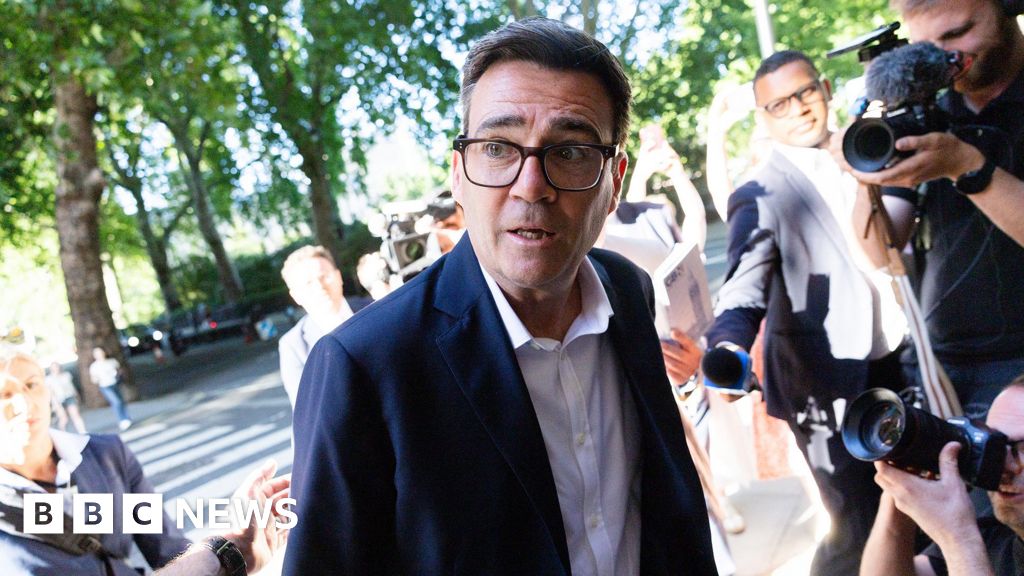
Andy Burnham has been confirmed as the leader of the British Labour Party, marking the final stage of his ascent to become the United Kingdom's next prime minister. The transition of power is set for Monday, July 20, 2026, when outgoing Prime Minister Sir Keir Starmer will visit Buckingham Palace to formally offer his resignation to King Charles III. Following this, the King will meet Burnham and ask him to form a government, at which point he will officially assume the office of prime minister.
The Transition of Leadership
Burnham’s confirmation as leader took place on Friday, July 17, 2026, at a special Labour Party conference in London. He faced no challengers for the role, having secured the backing of 379 of the 403 Labour lawmakers in the House of Commons. His path to the premiership was solidified last month when he returned to Parliament by winning a by-election, a victory that convinced party members he was the candidate best positioned to replace Sir Keir.
Sir Keir Starmer’s departure follows a two-year tenure characterized by persistent internal dissent and poor results in local elections, most notably in May. With the party trailing in opinion polls and facing pressure from the populist Reform UK party, led by Nigel Farage, Labour lawmakers opted for a leadership change. Burnham, formerly the mayor of Greater Manchester, is expected to become the seventh person to hold the office of prime minister in the last decade.
Policy Vision and Cabinet Speculation
In his first speech as leader, Burnham pledged to restore hope to the electorate and address the grievances of regions he argued have been neglected by a centralized system in London. He characterized his appointment as a significant moment in British politics, promising to move away from the economic and political models that have persisted since the 1980s. Key elements of his domestic agenda include the devolution of power to local councils, a major push for public housing construction, and efforts to address the challenges of social care access.
Despite these broad commitments, Burnham has yet to confirm the makeup of his cabinet. Intense speculation surrounds the appointment of a new chancellor. While Energy Secretary Ed Miliband was initially viewed as a potential candidate, reports indicate that Home Secretary Shabana Mahmood has emerged as the frontrunner for the role. Burnham has defended the delay in announcing his appointments, stating it would be “chaos” to do so before entering No 10.
Burnham emphasized that his government would pursue a "pro-business" stance, drawing on his experience as mayor of Greater Manchester. He also reiterated his intention to maintain Labour’s stated position on taxation, promising not to raise the main rates of income tax, VAT, or National Insurance.
International and Political Challenges
As he prepares to enter 10 Downing Street, Burnham faces a complex set of international and domestic obstacles, including a sluggish economy and the ongoing impacts of conflicts in Ukraine and the Middle East on the cost of living. Internationally, U.S. President Donald Trump has noted he suspects that Burnham is "extremely liberal," while Russia has stated it does not expect a change in its poor relations with the U.K. French Foreign Minister Jean-Noël Barrot wished him well and expressed hope for "as much stability as possible" in the U.K.
Burnham has called for an end to factional infighting, warning that the Labour movement must remain united to compete effectively in the next general election, which is not required until 2029. Conservative party figures have criticized the timing of the transition, noting that the absence of a parliamentary session during the summer will prevent Burnham from facing immediate scrutiny from lawmakers regarding his proposed plans.
How significant is this development?
Cast your anonymous vote to register reader sentiment across business and policy circles.
CurrentDeck is dedicated to independent, evidence-backed reporting. This briefing was synthesized from primary source reporting, corroborated across independent newsrooms, and verified against our Editorial Standards.