US strikes bridges and collapses a tower at a key port as its Iran campa…
U.S. airstrikes have targeted critical Iranian infrastructure and port facilities, triggering retaliatory missile attacks across the Middle East.
- Development: US strikes bridges and collapses a tower at a key port as its Iran campa…
- Core Takeaway: U.S. airstrikes have targeted critical Iranian infrastructure and port facilities, triggering retaliatory missile attacks across the Middle East.
- Context: Primary reporting aggregated across independent newsrooms and verified against CurrentDeck standards.
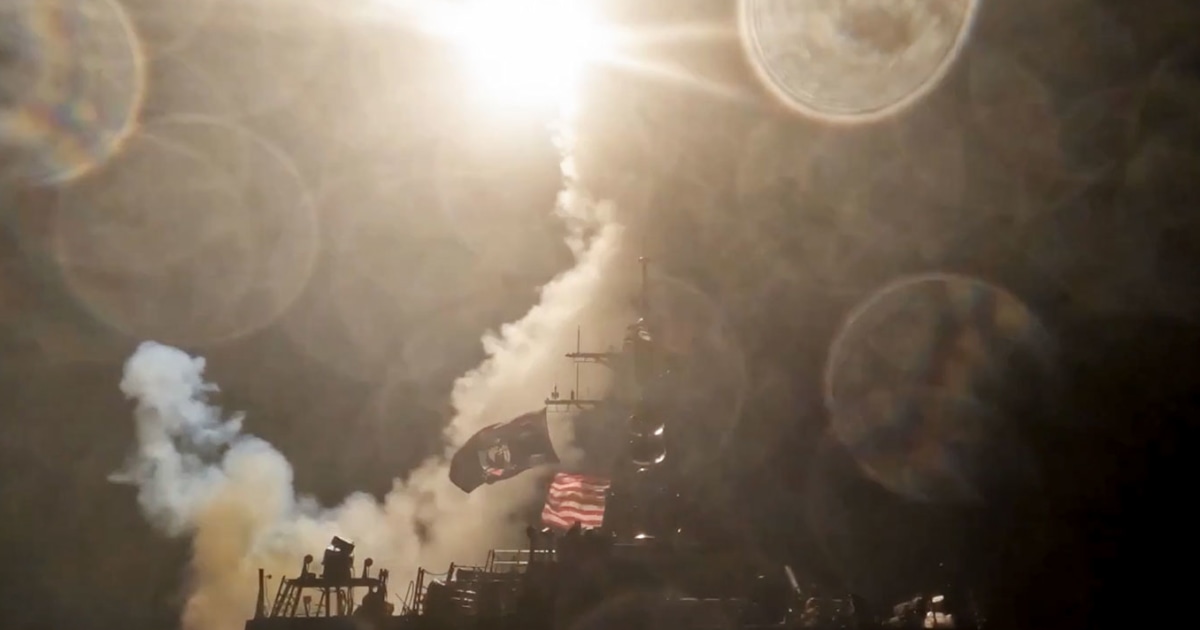
The United States expanded its airstrike campaign against Iran on Friday, targeting bridges and collapsing a tower at a key port in the southern Hormozgan province, as tensions over the Strait of Hormuz escalated. The strikes, part of a sixth consecutive night of attacks, aimed to pressure Tehran to ease its control over the critical waterway, which remains a focal point of regional and global economic concerns.
U.S. Central Command reported hitting dozens of targets, including bridges and infrastructure in Bandar Khamir, a coastal city near the strait. The attacks appeared designed to sever Bandar Abbas, Iran’s main port, from central regions, potentially disrupting the flow of military supplies and goods for the country’s 90 million people. Iranian state media acknowledged the strikes, citing at least seven deaths in Bandar Khamir and 38 total casualties by early Friday, with over 400 wounded. The health ministry spokesperson, Hossein Kermanpour, confirmed these figures, though independent verification remains challenging.
The strikes also targeted Chabahar port on the Gulf of Oman, a strategic hub for trade with landlocked Afghanistan. A surveillance tower at the facility collapsed, according to state-run IRNA news agency. U.S. Defense Secretary Pete Hegseth shared an image of the tower’s destruction on social media, highlighting the campaign’s focus on infrastructure. Iranian state media acknowledged a third round of strikes on the port but did not immediately confirm the tower’s collapse. Chabahar, previously operated with Indian support, has been a repeated target, underscoring its significance in regional logistics.
Iran retaliated with missile attacks on U.S.-allied nations, including Qatar and Kuwait. In Qatar, air defenses intercepted a barrage of missiles, injuring a child from falling debris. Kuwait reported damage to a power and water desalination plant, a critical infrastructure asset for the arid nation. Jordan and Bahrain also faced attacks, with Jordan’s military intercepting three incoming missiles. The strikes intensified a cycle of violence that has disrupted shipping through the Strait of Hormuz, a chokepoint for about a fifth of global oil and gas trade.
The U.S. Reimposed a naval blockade on Iranian ports to halt crude oil exports, while Iranian forces redirected commercial vessels attempting to breach the blockade. Three ships were diverted, one disabled, and another boarded to ensure compliance. The blockade has compounded economic pressures, with cargo shipments through the strait dropping nearly a quarter by early July, according to Lloyd’s List Intelligence. Many shippers have opted to avoid the route altogether, relying more on pipelines that cannot fully compensate for the decline.
President Donald Trump, addressing the American public, asserted that the U.S. Was “winning big in Iran” and promised “fruits of that labor” soon. His administration has escalated threats to strike Iranian power stations and bridges, framing the campaign as a response to Tehran’s blockade of the strait. Iran, meanwhile, has accused the U.S. Of “atrocities” and warned that no oil or gas would leave the region under continued attacks. The Revolutionary Guard claimed to have targeted U.S. Military facilities in Syria, Jordan, and Kuwait, though these claims lack independent confirmation.
The collapse of an interim ceasefire last month has led to days of tit-for-tat strikes, with both sides accusing each other of escalating the conflict. Qatar and Pakistan, key mediators, have seen talks stall over Iran’s strait control. Meanwhile, the humanitarian impact grows: extreme heat in southern Iran coincided with power infrastructure strikes, prompting the energy ministry to urge reduced usage. Tehran city councilman Mehdi Chamran hinted at the scale of U.S. Attacks, stating, “Just look at how many power facilities they hit … and you wouldn’t be asking that question.”
The conflict’s ripple effects extend beyond the region. A tanker near Oman sustained minor damage in an unacknowledged attack, and explosions in northern Iraq targeted the Iranian Kurdish dissident group Komala, killing at least nine. As the U.S. And Iran trade strikes, the strait’s fate remains uncertain, with global markets and regional stability hanging in the balance.
How significant is this development?
Cast your anonymous vote to register reader sentiment across business and policy circles.
CurrentDeck is dedicated to independent, evidence-backed reporting. This briefing was synthesized from primary source reporting, corroborated across independent newsrooms, and verified against our Editorial Standards.

