Trump expands airstrikes on Iran, fueling concerns of a protracted war
Following the collapse of a ceasefire, President Trump has expanded military operations against Iran, including a naval blockade of the Strait of Hormuz. The escalation has sparked debate over the potential for a protracted conflict and its impact on global energy markets.
- Development: Trump expands airstrikes on Iran, fueling concerns of a protracted war
- Core Takeaway: Following the collapse of a ceasefire, President Trump has expanded military operations against Iran, including a naval blockade of the Strait of Hormuz. The escalation has sparked debate over the potential for a protracted conflict and its impact on global energy markets.
- Context: Primary reporting aggregated across independent newsrooms and verified against CurrentDeck standards.
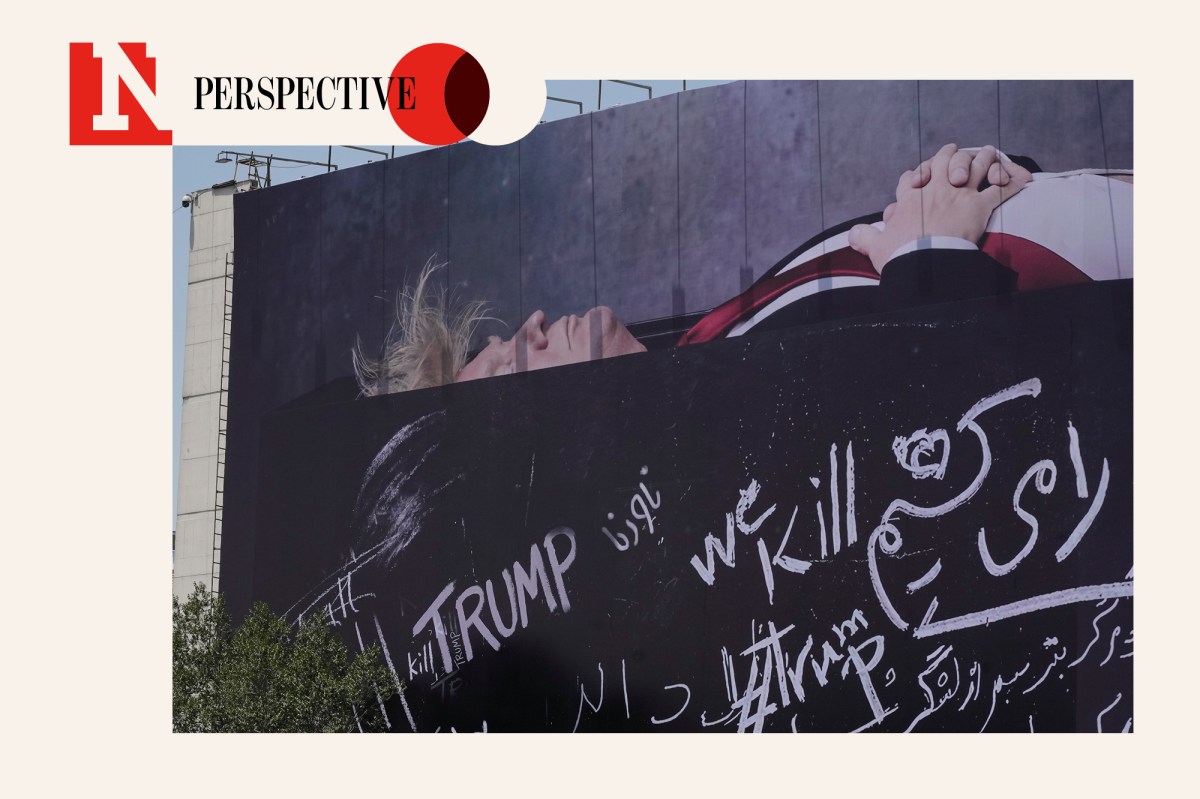
President Donald Trump has expanded military operations against Iran as of mid-July 2026, following the collapse of a month-long ceasefire. The resumption of hostilities has triggered intense debate over whether the United States is entering another “forever war,” a prospect Trump previously campaigned against as a presidential candidate.
Military escalation and the blockade of the Strait of Hormuz
The conflict centers on the Strait of Hormuz, a critical waterway for global energy markets. After the breakdown of a memorandum of understanding (MOU) intended to govern maritime passage, the U.S. Has reimposed a naval blockade on Iranian ports. U.S. Central Command confirmed on 17 July 2026 that it had redirected two commercial vessels attempting to traverse the area. Trump has declared the U.S. The “Guardian of the Hormuz Strait” and initially claimed the right to impose a 20 percent reimbursement fee on cargo — a policy the administration later walked back following scrutiny regarding its consistency with international law and previous remarks by Secretary of State Marco Rubio, who noted that no country is allowed to unilaterally charge fees on international waterways.
The military campaign has seen successive waves of aerial strikes. Since the ceasefire ended, U.S. Forces have conducted heavy aerial bombing on more than 100 military targets. On 17 July 2026, U.S. Central Command announced a second round of daily operations aimed at Iranian military capabilities. Despite the intensity of the strikes, President Trump, speaking at a defense summit at the U.S. Army War College on 17 July 2026, suggested, "The country is booming, and we'll have Iran defeated soon."
Discrepancies in diplomatic objectives
The return to active combat is attributed by analysts to a fundamental misinterpretation of the initial ceasefire agreement. Washington treated the MOU as a process to restore freedom of navigation and constrain Iran’s coercive capabilities, while Tehran viewed it as a pause to preserve leverage. According to Burcu Ozcelik of the RUSI think tank, the failure of the agreement was inevitable due to the lack of clear, shared terms, a dispute resolution clause, or a verification mechanism.
The conflict has resulted in retaliatory strikes by Iran against U.S. Allies in the Gulf, including Kuwait, Bahrain, and Jordan. Analysts note that Tehran is running a strategy of "escalating to deescalate" to force Washington back to the table on broader terms, though this risks empowering hardliners and hollowing out the role of regional mediators like Qatar, Oman, and Pakistan.
Strategic consequences for the IRGC and the U.S.
Experts suggest that the current state of war may ironically serve the interests of Iran’s hard-line leadership. Andreas Krieg of King’s College London noted that a protracted conflict strengthens the political model of the Islamic Revolutionary Guard Corps (IRGC) by justifying domestic social repression and allowing the IRGC to present itself as the indispensable defender of the state. By maintaining a state of mobilization, the IRGC avoids the concessions that a formal peace deal might require, even as the Iranian populace faces increasing economic hardship.
The financial cost to the U.S. Is also significant. While President Trump has defended the strikes, external estimates — such as those from Moody’s, suggested the conflict cost approximately $130 billion by mid-June 2026. Reporting from the political-finance website Sludge estimated that $21 billion has been spent on munitions alone. The uncertainty surrounding the conflict is compounded by internal leadership questions in Iran following the death of the long-standing Supreme Leader and the subsequent, highly scrutinized funeral of Ayatollah Ali Khamenei. With both Washington and Tehran struggling to define a viable exit strategy, the prospect of an entrenched conflict continues to weigh on regional stability and global energy markets.
How significant is this development?
Cast your anonymous vote to register reader sentiment across business and policy circles.
CurrentDeck is dedicated to independent, evidence-backed reporting. This briefing was synthesized from primary source reporting, corroborated across independent newsrooms, and verified against our Editorial Standards.