Iran Supreme Leader Mojtaba Khamenei vows revenge for father's killing
Iran’s new Supreme Leader Mojtaba Khamenei has declared a mission of retribution following his father's killing, further straining a fragile Middle East ceasefire. His statement comes as hostilities persist over control of the critical Strait of Hormuz.
- Development: Iran Supreme Leader Mojtaba Khamenei vows revenge for father's killing
- Core Takeaway: Iran’s new Supreme Leader Mojtaba Khamenei has declared a mission of retribution following his father's killing, further straining a fragile Middle East ceasefire. His statement comes as hostilities persist over control of the critical Strait of Hormuz.
- Context: Primary reporting aggregated across independent newsrooms and verified against CurrentDeck standards.
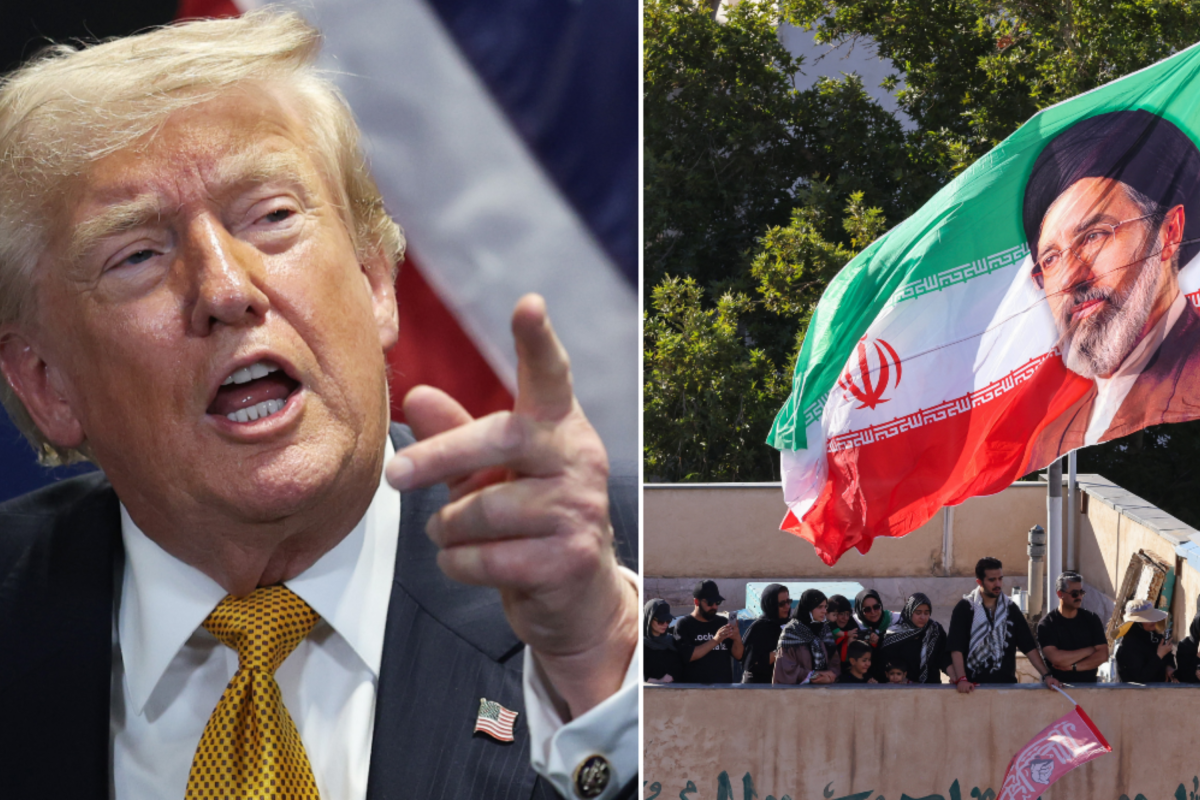
Iran’s Supreme Leader Mojtaba Khamenei has issued a stark warning of vengeance for the killing of his father, former Supreme Leader Ayatollah Ali Khamenei, in U.S.-Israeli airstrikes, escalating tensions at a time when fragile ceasefire talks are faltering. The statement, released during funeral ceremonies for the late leader, marks a pivotal moment in a conflict that has already reshaped the Middle East and global energy markets.
The February 28 strikes, which killed Ayatollah Khamenei and other senior Iranian officials, triggered a regional war that quickly expanded beyond military clashes. Iran retaliated with missile attacks on Israel and U.S.-linked targets, while the U.S. Launched sustained strikes on Iranian infrastructure. The Strait of Hormuz, a critical artery for global oil trade, became a flashpoint, with Iran disrupting shipping and driving volatile swings in energy prices. Mojtaba Khamenei’s vow of revenge comes as efforts to stabilize the region face mounting challenges.
In a written statement broadcast on state television, Mojtaba Khamenei declared, “Revenge is the demand of the nation and must certainly be carried out.” He framed the retaliation as both a national obligation and a broader mission, vowing to “avenge the blood of the martyred leader and all the martyrs of these two wars from the criminal and disgraced killers.” The statement, his first public message since the funeral ceremonies began, was delivered amid widespread mourning in Iran, where crowds chanted for retribution and displayed banners calling for the deaths of U.S. And Israeli leaders.
Mojtaba Khamenei, who assumed leadership after his father’s death, has remained largely out of public view, reportedly due to injuries sustained in the same airstrikes. His absence has fueled speculation about his health and authority, even as his message underscored a resolve to continue his father’s hardline policies. The new leader’s statement also hinted at a broader strategy, stating, “Whether we are here or not, this will be achieved,” suggesting that the pursuit of vengeance may involve not just state actors but “free people around the world.”
The rhetoric has intensified amid a fragile ceasefire agreement signed in June, which aimed to reopen the Strait of Hormuz and ease hostilities. However, recent clashes and accusations of violations have strained the deal. The U.S. Has demanded Iran publicly commit to halting attacks on commercial vessels, while Iran has accused Washington of undermining the agreement. Diplomatic efforts, including talks mediated by Oman and Qatar, have struggled to bridge the gap, with both sides exchanging sharp accusations.
U.S. President Donald Trump has further raised the stakes, warning that any attempt to assassinate him would trigger a “decimate and destroy” response. In a post on Truth Social, he claimed “1,000 missiles are Locked and Loaded and aimed at the Islamic Republic of Iran,” vowing to “completely decimate and destroy all areas of Iran” if Tehran acts on its threats. Trump’s remarks came amid renewed clashes in the Strait of Hormuz, where Iran has targeted commercial ships, prompting U.S. Strikes that have killed and injured dozens of Iranians.
The crisis has deepened regional and global economic pressures. The closure of the Strait of Hormuz disrupted oil flows, with prices surging and fears of supply shortages gripping markets. China’s role in stabilizing energy markets has also drawn attention, as its import policies have mitigated some of the worst impacts. Meanwhile, the U.S. Has launched extensive bombing campaigns against Iranian infrastructure, further complicating diplomatic efforts.
Diplomatic channels remain open but fraught. Iranian Foreign Minister Abbas Araghchi has insisted Tehran has upheld its commitments under the ceasefire, while U.S. Officials have pressed for public assurances from Iran. Talks in Oman and Qatar continue, but progress is hindered by Iran’s insistence on controlling the Strait of Hormuz and charging fees for passage—a stance the U.S. Rejects. The dispute over the strait’s future underscores the broader struggle for regional dominance and the fragile balance of power between the two nations.
As tensions escalate, the risk of a wider conflict looms large. Mojtaba Khamenei’s pledge of revenge, coupled with Trump’s threats, has created a volatile dynamic where miscalculations could have catastrophic consequences. The world watches closely as the Middle East teeters on the edge of a new phase of confrontation, with the Strait of Hormuz serving as both a symbol of vulnerability and a potential catalyst for further upheaval.
How significant is this development?
Cast your anonymous vote to register reader sentiment across business and policy circles.
CurrentDeck is dedicated to independent, evidence-backed reporting. This briefing was synthesized from primary source reporting, corroborated across independent newsrooms, and verified against our Editorial Standards.