Typhoon Bavi makes landfall in China as more than 1.7 million evacuate
Over 1.7 million residents have been evacuated across eastern China following the landfall of Typhoon Bavi, which has brought severe winds and flooding to the region. The storm continues to impact East Asia, complicating recovery efforts from previous extreme weather events.
- Development: Typhoon Bavi makes landfall in China as more than 1.7 million evacuate
- Core Takeaway: Over 1.7 million residents have been evacuated across eastern China following the landfall of Typhoon Bavi, which has brought severe winds and flooding to the region. The storm continues to impact East Asia, complicating recovery efforts from previous extreme weather events.
- Context: Primary reporting aggregated across independent newsrooms and verified against CurrentDeck standards.
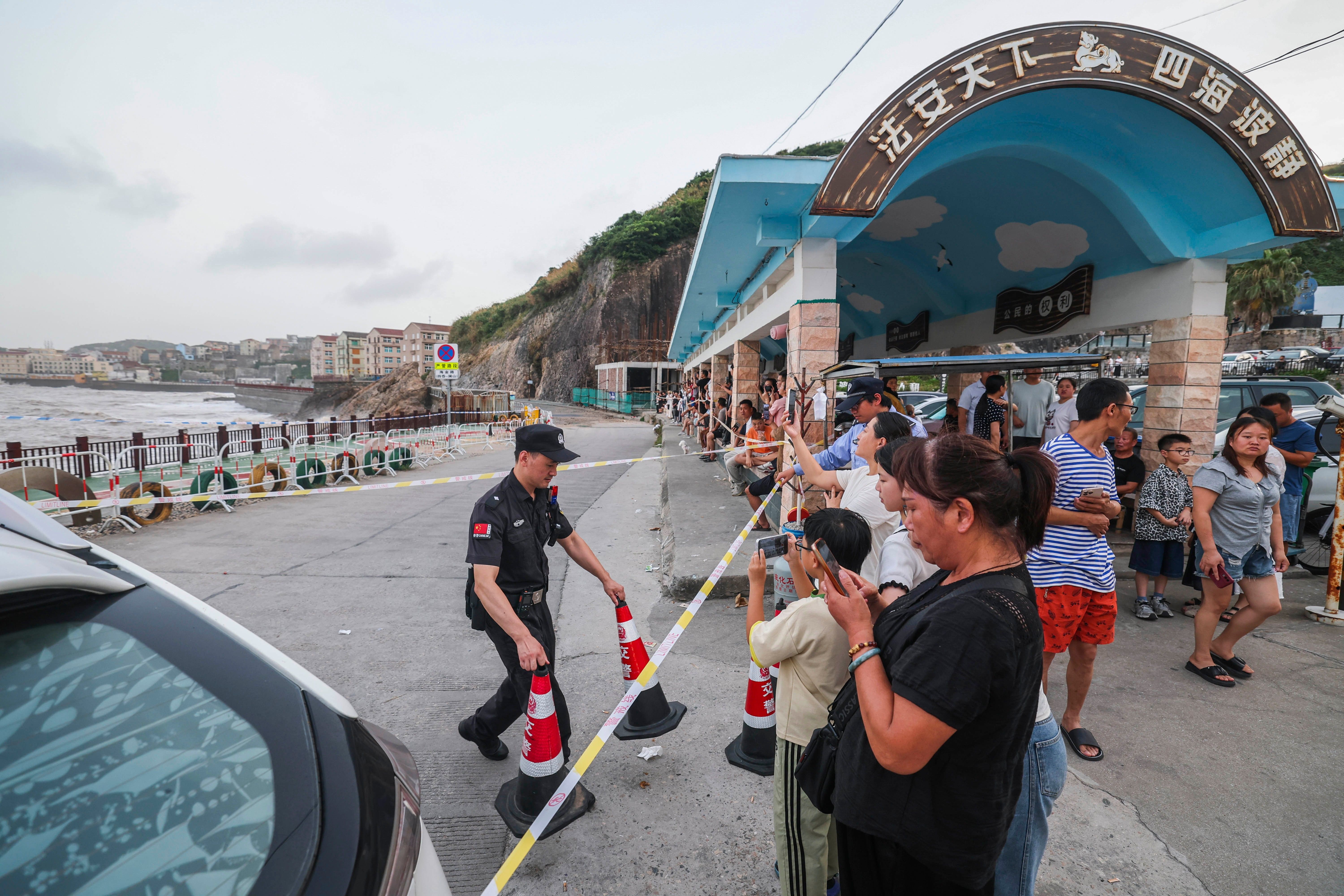
Typhoon Bavi made landfall in China’s eastern Zhejiang province late Saturday night, triggering widespread evacuations and emergency preparations across eastern China, Taiwan, and parts of Japan. Chinese authorities reported more than 1.7 million people evacuated as of Saturday, with some sources citing nearly 2 million. The storm, which had maximum sustained winds of 144 kph (89 mph), passed north of Taiwan before making landfall in Yuhuan, a coastal city in Zhejiang, and was expected to weaken as it moved northwestward inland.
The typhoon’s arrival followed a week of severe weather, including the earlier landfall of Typhoon Maysak in southern China on July 3. Bavi’s path brought heavy rains and strong winds to Japan’s southern islands and Taiwan, where at least 113 injuries were reported, primarily from traffic accidents on slippery roads. In Taiwan, more than 14,200 people were evacuated, particularly from mountainous regions, while schools, offices, and most businesses closed. Flights at Taiwan’s main international airport were canceled, and high-speed rail services faced reduced operations.
In China, Zhejiang province saw extensive preparations. Authorities evacuated over 1.7 million residents by Saturday morning, with Shanghai relocating 34,000 people from high-risk areas by noon. In Fujian province, more than 3,700 individuals were moved from coastal regions, and 17,000 emergency rescue workers were deployed. The National Meteorological Center issued an orange typhoon alert, the second-highest level, alongside its first red rainstorm alert of the year, prompting the suspension of schools, ferry services, and hundreds of flights. Some high-speed rail lines were also halted.
The storm’s impact extended beyond China. In the Philippines, at least 17 people died in landslides triggered by monsoon rains exacerbated by Bavi’s moisture. A landslide in Sarangani province killed 10 villagers, while another in Lanao del Sur claimed five lives. Over 11,000 residents sought shelter in southern provinces. Japan’s Okinawa prefecture warned of high waves and strong winds, canceling more than 200 flights across the region. On Ishigaki Island, heavy rain and gusts damaged infrastructure, though no major casualties were reported.
Despite the scale of the evacuation, residents in affected areas expressed cautious optimism. Huang Xinghuan, a Wenzhou resident, said, “We’ve been through typhoons before. We’ll get through it,” as he stocked two to three days of water. In Taipei, some citizens ventured out despite the weather, with one man stating, “It’s not that serious.” However, in mountainous areas like Beitou, gusts of up to 100 kph knocked down trees and swelled rivers, underscoring the storm’s potency.
Chinese authorities allocated 40 million yuan ($5.9 million) in disaster relief funds to Zhejiang and Fujian provinces, while the National Meteorological Center emphasized the typhoon’s lingering risks. Even as Bavi weakened, its moisture-laden rain bands posed a significant threat, particularly in regions still recovering from Tropical Storm Maysak. In Hainan and Guangxi, which were hit by Maysak earlier in the week, at least 39 people died in floods after a dam breach in Nanning.
The storm’s trajectory highlighted the region’s vulnerability to extreme weather, with governments across East Asia coordinating emergency responses. As Bavi moved inland, the focus shifted to post-storm recovery, including assessing damage and ensuring the safety of displaced residents. For now, the immediate priority remained mitigating the typhoon’s impact on communities already strained by consecutive natural disasters.
How significant is this development?
Cast your anonymous vote to register reader sentiment across business and policy circles.
CurrentDeck is dedicated to independent, evidence-backed reporting. This briefing was synthesized from primary source reporting, corroborated across independent newsrooms, and verified against our Editorial Standards.