Trump administration to limit foreign student visas to four-year terms
New Department of Homeland Security rules restrict foreign students to four-year visa terms and impose tighter limits on journalists, sparking backlash from educators and media groups.
- Development: Trump administration to limit foreign student visas to four-year terms
- Core Takeaway: New Department of Homeland Security rules restrict foreign students to four-year visa terms and impose tighter limits on journalists, sparking backlash from educators and media groups.
- Context: Primary reporting aggregated across independent newsrooms and verified against CurrentDeck standards.
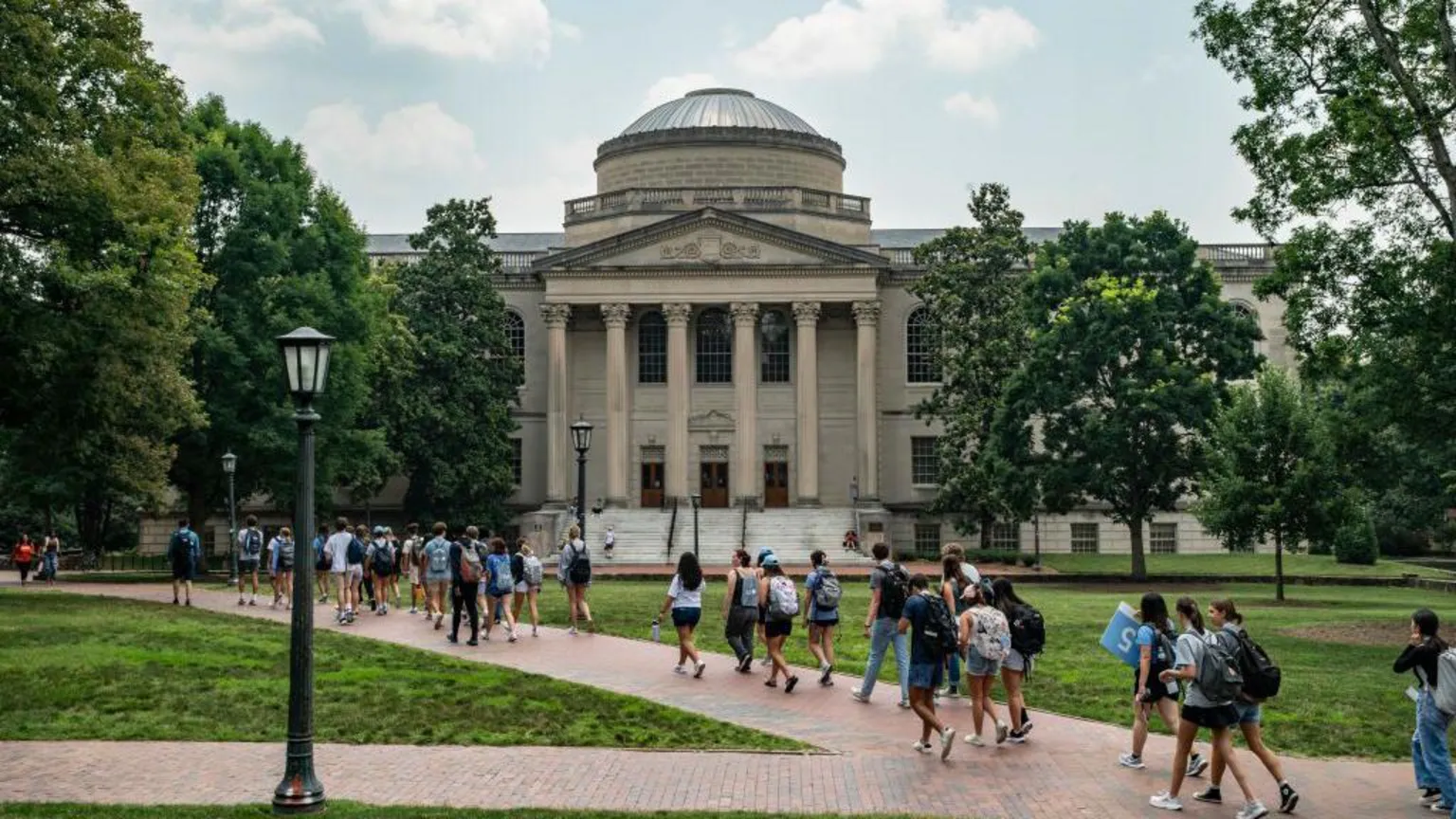
The Trump administration has finalized a rule limiting the duration of student visas to four years, marking a significant shift in U.S. Immigration policy and sparking widespread criticism from educators, international students, and media organizations. The policy, set to take effect in September, restricts foreign students to a maximum of four years on F-1 and J-1 visas unless they seek federal approval for extensions. It also curtails the ability to switch academic programs or transfer between institutions, a process previously managed by universities.
The Department of Homeland Security (DHS) framed the rule as a measure to combat "visa abuse" and enhance national security. Homeland Security Secretary Markwayne Mullin stated that the change would "reclaim the ability to properly screen, vet, and monitor individuals within our borders," citing concerns that some students had "perpetually enrolling in courses to avoid having to leave the U.S." The policy aims to end the long-standing practice of "duration of status," which allowed students to remain in the country as long as they were enrolled in a program.
Under the new rule, international students will have only 30 days after graduation or program completion to depart the U.S. Or change visa status, down from the previous 60-day grace period. Graduate students, who often require more time to complete research or degree requirements, face particular challenges. The rule also prohibits undergraduate students from changing majors or transferring schools in their first year, with additional restrictions for those pursuing advanced degrees.
Education advocates and universities have condemned the policy as overly restrictive and counterproductive. Fanta Aw, CEO of NAFSA: Association of International Educators, called it "a solution in search of a problem," arguing that it would "inject uncertainty, bureaucracy, and fear into a system that has long worked effectively." The Association of International Educators described the rule as "misguided and unnecessary," warning that it would deter talented students and harm the U.S. Economy. International students contributed over $50 billion to the U.S. Economy in 2023, according to official data, and their numbers have already declined following earlier Trump administration actions.
The policy extends beyond students, imposing strict limits on journalists' visas. Foreign journalists will be allowed to stay for up to 240 days, with 90 days for Chinese nationals, a sharp reduction from the previous indefinite periods. Media rights groups, including Reporters Without Borders, criticized the move as an attack on press freedom, arguing it would hinder international coverage and weaken the U.S. Media landscape. The rule also requires journalists to apply for extensions, a process that could create delays and administrative hurdles.
DHS cited examples of "forever students" who remained in the U.S. For decades by transferring between programs or enrolling in new courses. The department reported that over 2,100 individuals who entered as students between 2000 and 2010 still held student visas in 2026. However, critics dismissed these claims as exaggerated, noting that the majority of international students complete their degrees within the four-year limit. The rule also faces scrutiny for its potential to disrupt research and academic collaboration, particularly in science and technology fields where graduate programs often exceed four years.
The Trump administration has long targeted international students as part of its broader immigration crackdown. Earlier measures included revoking visas for students critical of U.S. Foreign policy, imposing social media screenings, and restricting entry from multiple countries. These policies have contributed to a decline in international enrollments, with the State Department reporting an 18% drop in student visas issued in September 2025 compared to the previous year. The Niskanen Center estimates that 52,000 fewer international students and exchange visitors were in the U.S. In June 2026 than in 2025.
Opponents argue that the new rule will further erode the U.S. Reputation as a global education leader. "This policy sends exactly the wrong message," Aw said, warning that it would "make the U.S. Less welcoming, less predictable, and less committed" to attracting talent. The rule also raises concerns about the financial burden on students, who must pay $420 for extension applications and $2,075 for expedited processing. Delays at U.S. Citizenship and Immigration Services (USCIS) could leave some students in legal limbo, risking deportation or loss of work authorization.
The administration's approach has drawn comparisons to its efforts to limit refugee admissions, restrict legal pathways to citizenship, and impose fees on H-1B visas. While the rule is subject to congressional review, its implementation reflects a continued focus on tightening immigration controls. As the policy takes effect, its long-term impact on U.S. Universities, the economy, and international relations remains uncertain, with critics warning of far-reaching consequences for global academic and cultural exchange.
How significant is this development?
Cast your anonymous vote to register reader sentiment across business and policy circles.
CurrentDeck is dedicated to independent, evidence-backed reporting. This briefing was synthesized from primary source reporting, corroborated across independent newsrooms, and verified against our Editorial Standards.