US launches airstrikes on Iran after two troops killed in Jordan attack
Following the deaths of two American service members in Jordan, the U.S. military has launched a new wave of airstrikes against Iranian forces. The retaliation marks a significant escalation in the ongoing conflict over the Strait of Hormuz.
- Development: US launches airstrikes on Iran after two troops killed in Jordan attack
- Core Takeaway: Following the deaths of two American service members in Jordan, the U.S. military has launched a new wave of airstrikes against Iranian forces. The retaliation marks a significant escalation in the ongoing conflict over the Strait of Hormuz.
- Context: Primary reporting aggregated across independent newsrooms and verified against CurrentDeck standards.
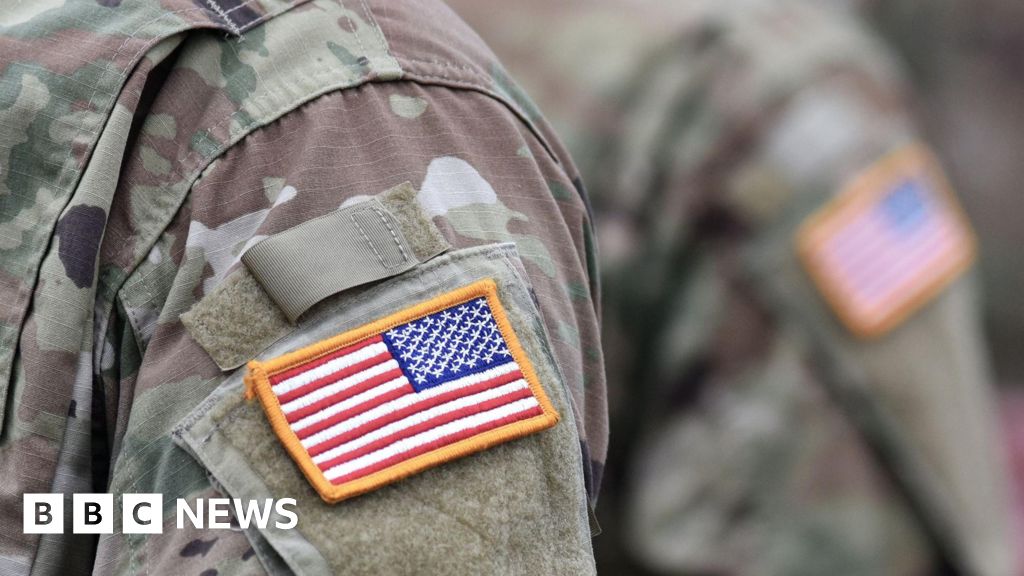
The U.S. Military launched a new round of airstrikes on Iran on Saturday, marking the eighth consecutive night of strikes, in response to an attack on a base in Jordan that killed two American service members and left one missing, according to U.S. Central Command (Centcom). The assault, attributed to Iranian ballistic missiles and drones, occurred on Friday, escalating tensions in a conflict that has seen a rapid deterioration since the collapse of a June ceasefire agreement.
Centcom confirmed that two U.S. Service members were killed in action while defending against the attack, with four others injured and later discharged from Jordanian hospitals. A third service member remained unaccounted for, though details about the circumstances or location of the incident were not disclosed. The military withheld the identities of the deceased until 24 hours after their families were notified, citing respect for the fallen.
The U.S. Response came hours after Iran’s Supreme Leader, Mojtaba Khamenei, issued a stark warning against further American aggression. In a written statement, he accused the U.S. Of seeking to “escalate the conflict” and declared that Iran had “unforgettable lessons in store” for Washington. Khamenei also criticized President Donald Trump’s leadership, calling his signature on the June ceasefire “worthless and devoid of credibility,” a statement echoed by Iranian officials who announced the suspension of commitments under the agreement.
The attack in Jordan, which occurred amid a week of renewed hostilities, follows a pattern of mutual strikes targeting military and infrastructure. Iran’s Islamic Revolutionary Guard Corps (IRGC) claimed to have destroyed at least two U.S. Fighter jets during the assault, though Centcom did not confirm the report. Jordan’s military reported intercepting 10 Iranian missiles, though no damage was attributed to the strikes.
The U.S. Airstrikes, authorized by Trump, aimed to “swiftly punish” Iranian forces and degrade their ability to threaten commercial shipping in the Strait of Hormuz. The waterway, which previously carried a fifth of global oil supplies, has been a focal point of the conflict. Iran effectively closed the strait to traffic after the war began in February, while the U.S. Reimposed a naval blockade on Iranian ports, redirecting five vessels and disabling one as of Saturday.
The casualties in Jordan mark the first U.S. Troop deaths from direct Iranian fire since the war’s early days. Since the conflict began in February, 16 U.S. Service members have been killed and over 430 wounded. The latest fatalities include Commander Gabriel Edwards, a Navy pilot who went missing earlier this month and was later declared dead. The U.S. Military has also faced criticism for targeting infrastructure, with Iran accusing Washington of striking bridges, power plants, and desalination facilities. In response, the U.S. State Department issued a “Worldwide Caution” for travelers in the Middle East, urging heightened vigilance amid “unforeseen escalation.”
The Gulf Cooperation Council (GCC) accused Iran of committing “war crimes” for its attacks on civilian infrastructure, including a water desalination plant and an oil facility in Kuwait. The strikes in Kuwait, which occurred on Saturday, injured several people and disrupted critical services. Iran, meanwhile, claimed U.S. Airstrikes had damaged tunnels, bridges, and a desalination plant in Hormozgan province, cutting off water supplies to thousands. The GCC’s secretary-general, Jasem Mohamed al-Budaiwi, condemned the attacks, stating that targeting civilians violates international law.
The renewed violence has intensified the broader conflict over the Strait of Hormuz, with both sides accusing each other of destabilizing the region. Trump has threatened to strike Iranian bridges and power plants if Tehran does not return to negotiations, while Iran has vowed to defend its sovereignty and regional influence. The collapse of the June ceasefire, which aimed to halt hostilities and restore commercial shipping, has left the conflict in a state of continued escalation, with no immediate resolution in sight.
How significant is this development?
Cast your anonymous vote to register reader sentiment across business and policy circles.
CurrentDeck is dedicated to independent, evidence-backed reporting. This briefing was synthesized from primary source reporting, corroborated across independent newsrooms, and verified against our Editorial Standards.