Micro and nanoplastics in blood linked to higher heart attack risk
A study of patients undergoing coronary angiography reveals that microplastic particles are significantly more prevalent in the blood of heart attack victims. These findings suggest that environmental pollution may be an underestimated contributor to cardiovascular disease.
- Development: Micro and nanoplastics in blood linked to higher heart attack risk
- Core Takeaway: A study of patients undergoing coronary angiography reveals that microplastic particles are significantly more prevalent in the blood of heart attack victims. These findings suggest that environmental pollution may be an underestimated contributor to cardiovascular disease.
- Context: Primary reporting aggregated across independent newsrooms and verified against CurrentDeck standards.
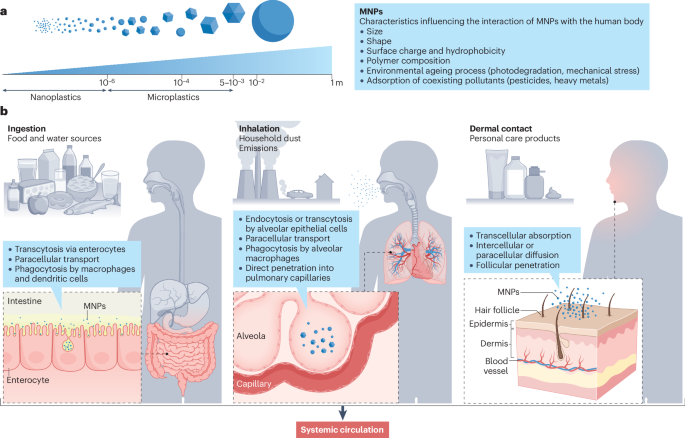
Microplastics and nanoplastics, tiny fragments of degraded plastic, are increasingly found in the bloodstream of individuals who have suffered heart attacks, according to a study published in the European Heart Journal. The research, conducted by Italian scientists, reveals a stark correlation between elevated levels of these particles and cardiovascular events, adding to growing concerns about the health impacts of environmental plastic pollution.
The study analyzed blood samples from 61 patients undergoing coronary angiography at hospitals in Rome and Verona. Among those who had experienced a heart attack, microplastics and nanoplastics were detected in 84% of cases, compared to 40% of patients with chronic ischemic heart disease and 32% of those with healthy coronary arteries. The most common plastic type identified was polyethylene, widely used in packaging and consumer goods. Researchers noted that heart attack patients also exhibited a broader variety of plastic particles in their blood.
Environmental exposures such as smoking and air pollution were strongly linked to higher microplastic levels. Smokers were six times more likely to have plastics in their blood than non-smokers, and individuals exposed to high levels of PM2.5 particulate matter — fine airborne pollutants — showed similar trends. All patients who both smoked and lived in polluted areas had detectable microplastics, whereas only 12.5% of those without these risk factors did. The findings suggest that inhalation of plastic particles through smoke or polluted air may facilitate their entry into the bloodstream, potentially exacerbating cardiovascular damage.
While the study does not prove that microplastics directly cause heart attacks, it highlights a significant association between environmental exposures, plastic accumulation in the blood, and adverse cardiovascular outcomes. Researchers emphasize that the particles may contribute to inflammation, oxidative stress, and endothelial dysfunction, key drivers of atherosclerosis and heart disease. Experimental studies cited in the research indicate that microplastics and nanoplastics can trigger inflammatory responses and disrupt cellular function in cardiac tissue, though human causality remains unproven.
Experts warn that the pervasive presence of plastics in the environment, now detected in air, water, soil, and even human placentas and breast milk, poses an emerging public health challenge. A companion editorial in the journal notes that microplastics have been found in atherosclerotic plaques, where their presence correlated with higher risks of myocardial infarction, stroke, and mortality. “The convergence of epidemiological, clinical, and mechanistic evidence suggests that plastic pollution may represent a previously underestimated cardiovascular risk factor,” the editorial states.
Despite these findings, methodological hurdles persist. Detection techniques for microplastics in biological samples vary widely, limiting consistency and accuracy. Researchers call for standardized protocols, larger-scale studies, and improved models to better understand the long-term effects of plastic exposure. The study’s lead author, Professor Emanuele Barbato of Sapienza University of Rome, stresses that reducing air pollution, tobacco use, and plastic contamination could yield dual benefits for both environmental and cardiovascular health.
The research underscores the urgent need to integrate environmental pollutants like microplastics into broader strategies for combating heart disease. As plastic waste continues to fragment into invisible particles, scientists and policymakers face the challenge of mitigating their impact on human health. With coronary artery disease already a leading global cause of death, the study serves as a warning that the invisible threat of plastic pollution may soon demand equal attention alongside traditional risk factors.
How significant is this development?
Cast your anonymous vote to register reader sentiment across business and policy circles.
CurrentDeck is dedicated to independent, evidence-backed reporting. This briefing was synthesized from primary source reporting, corroborated across independent newsrooms, and verified against our Editorial Standards.