Heartbroken Bruno Fernandes breaks his silence on Portugal's World Cup ...
Manchester United captain Bruno Fernandes has broken his silence following Portugal’s round-of-16 elimination from the 2026 FIFA World Cup. He addresses the team’s tactical shortcomings and the uncertain future of the squad.
- Development: Heartbroken Bruno Fernandes breaks his silence on Portugal's World Cup ...
- Core Takeaway: Manchester United captain Bruno Fernandes has broken his silence following Portugal’s round-of-16 elimination from the 2026 FIFA World Cup. He addresses the team’s tactical shortcomings and the uncertain future of the squad.
- Context: Primary reporting aggregated across independent newsrooms and verified against CurrentDeck standards.
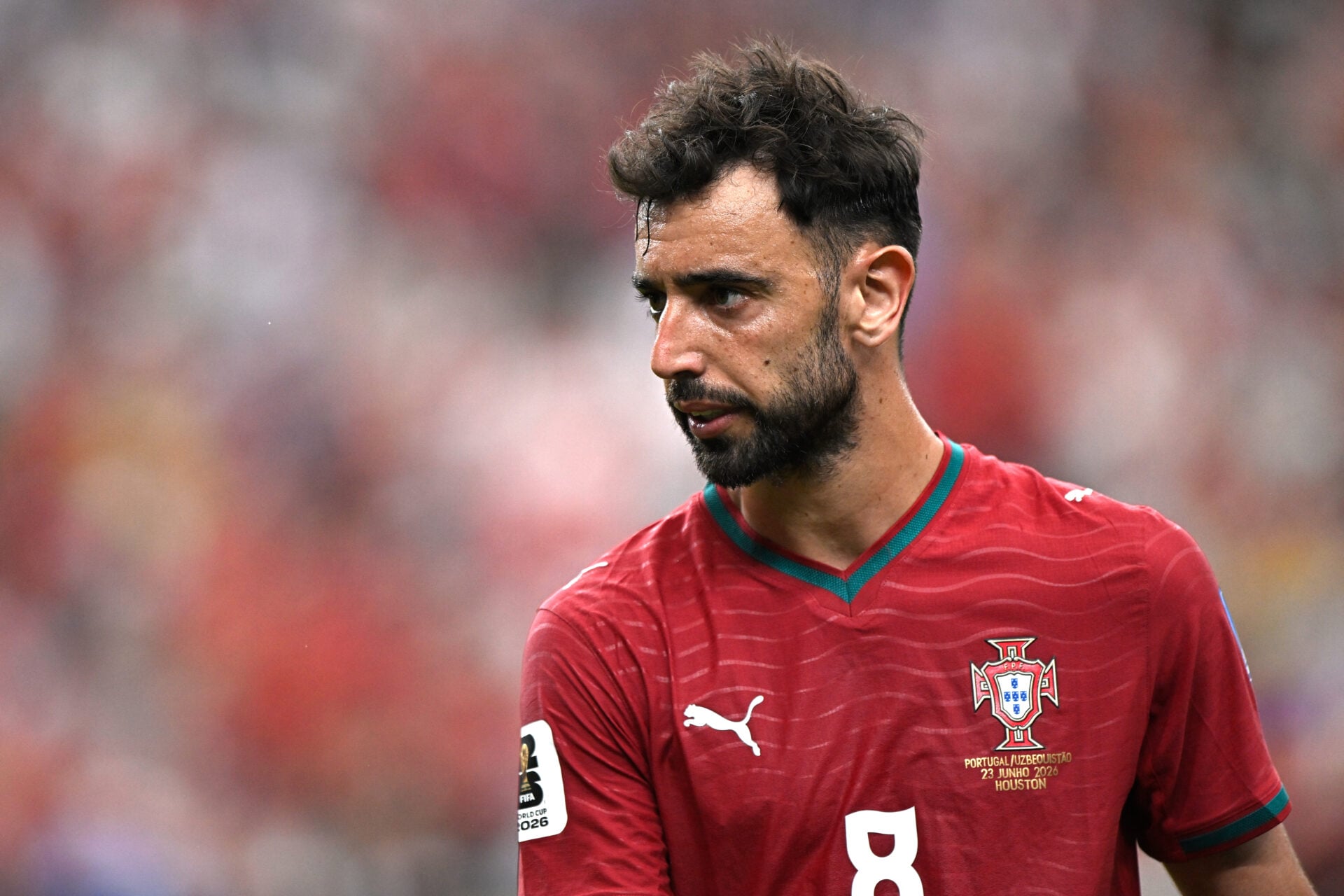
Manchester United captain Bruno Fernandes has publicly reflected on Portugal’s disappointing exit from the 2026 FIFA World Cup, expressing deep frustration and disappointment over the team’s failure to capitalize on its talent. Portugal’s campaign ended in the Round of 16 with a 1-0 defeat to Spain, a result that has sparked widespread scrutiny of the squad’s performance and tactical approach.
Fernandes, who had previously stated his belief that Portugal could win the tournament, described the exit as a “missed opportunity” in a post-match statement. He emphasized that the team’s second-half strategy — particularly a tendency to drop deep and cede possession — proved fatal. “In the first half, we were superior, but in the second half we made the mistake again of dropping too deep and giving the ball to the opponent. When that happens, we end up suffering,” he said. The 2026 World Cup marked Portugal’s fourth exit from the Round of 16 in five tournaments, a pattern that has frustrated fans and analysts alike.
The loss to Spain was sealed by a stoppage-time goal from Mikel Merino, who capitalized on a defensive lapse. Despite moments of individual brilliance, including a 5-0 thrashing of Uzbekistan and a narrow 2-1 victory over Croatia, Portugal struggled to maintain consistency. Fernandes acknowledged the team’s quality, stating, “This group of players raised my expectations, not only because of their quality but also because of the incredible team we’ve built over these years.” However, he admitted that the squad fell short of its potential, with a “clear objective” of winning the World Cup unmet.
Criticism has also fallen on Portugal’s manager, Roberto Martinez, whose tactical decisions drew sharp rebukes. Fernandes and others questioned Martinez’s reliance on a defensive approach, particularly his decision to keep Cristiano Ronaldo in the starting lineup despite the 41-year-old’s diminished impact. Ronaldo, who had hinted this might be his final World Cup, created only one chance for a teammate across five matches and was outshone by younger forwards like Gonçalo Ramos. Martinez, who resigned after the defeat, faced scrutiny for his inability to harness the squad’s talent, a challenge that had also plagued his tenure with Belgium.
Fernandes’ remarks highlighted the emotional toll of the tournament. He described feeling “sad, frustrated, and disillusioned,” a sentiment echoed by teammates and supporters. The midfielder also emphasized the need for introspection, urging the team to “be more true to ourselves, play our way, and find ways to make teams respect us more.” His comments underscored a broader frustration with Portugal’s recurring struggles to translate individual brilliance into collective success.
The World Cup exit has also reignited debates about Ronaldo’s role in the national team. While the forward’s goal-scoring record remains historic, making him the oldest player to net a brace in a World Cup and the first to score in six tournaments, his influence on the pitch was limited. Stats from the tournament showed Ronaldo touched the ball less than many of his teammates and failed to create meaningful opportunities. Some analysts, including those at the Mirror, suggested his presence may have hindered the team’s fluidity, though others defended his contributions as a veteran leader.
For Fernandes, the focus now shifts to recovery. The midfielder will take a mandatory three-week break before rejoining Manchester United for pre-season, a period he described as necessary to process the World Cup’s heartbreak. “It’s a sad moment,” he said, adding that the dream of a World Cup title may not return until 2030, by which time he will be 35. Despite the disappointment, Fernandes expressed hope for the future, stating, “There’s no need to lose faith.”
Portugal’s next major challenge will be the 2030 World Cup, which will be partially hosted in the country. However, the team faces a critical period of rebuilding, with questions surrounding its tactical identity and the role of aging stars like Ronaldo. As Fernandes prepares to return to club football, his words reflect both the weight of failure and the determination to learn from it. “We have to look ahead differently,” he said. “We have to be more true to ourselves.”
How significant is this development?
Cast your anonymous vote to register reader sentiment across business and policy circles.
CurrentDeck is dedicated to independent, evidence-backed reporting. This briefing was synthesized from primary source reporting, corroborated across independent newsrooms, and verified against our Editorial Standards.