Southern Spain wildfire kills 12 as emergency teams battle blaze
A wildfire in Almería province has resulted in 12 deaths and prompted the evacuation of approximately 1,000 residents as emergency crews battle the blaze.
- Development: Southern Spain wildfire kills 12 as emergency teams battle blaze
- Core Takeaway: A wildfire in Almería province has resulted in 12 deaths and prompted the evacuation of approximately 1,000 residents as emergency crews battle the blaze.
- Context: Primary reporting aggregated across independent newsrooms and verified against CurrentDeck standards.
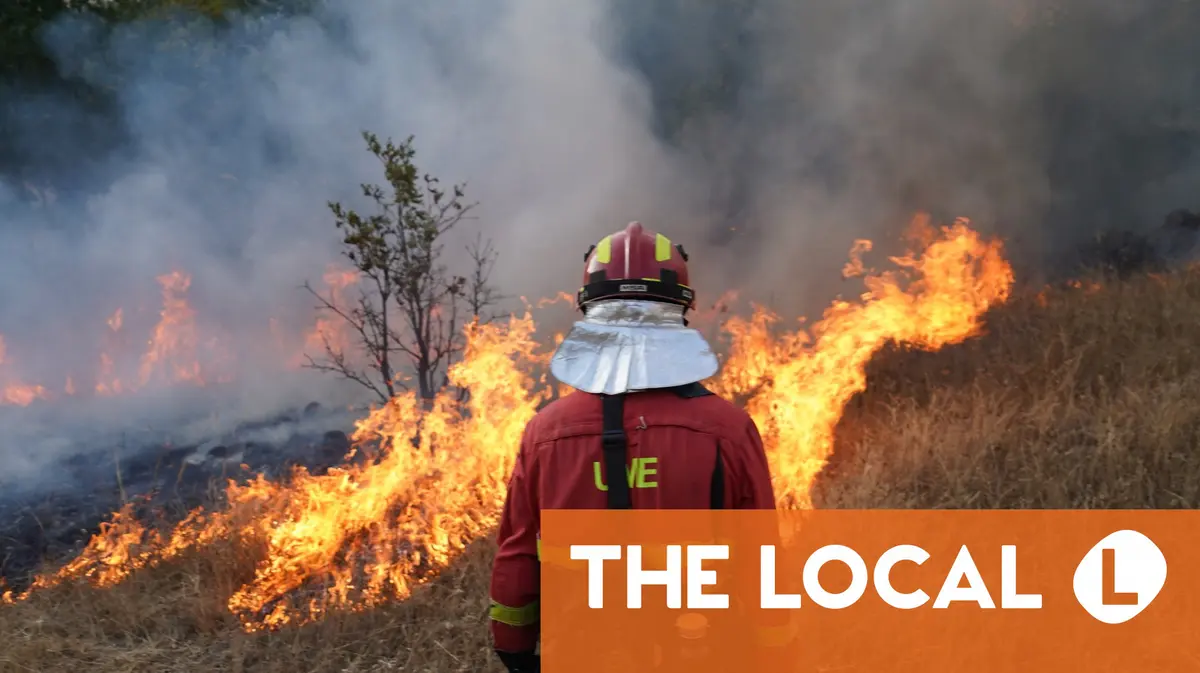
A wildfire in southern Spain has claimed the lives of at least 12 people, with emergency teams working to contain the blaze as a heatwave exacerbates conditions across the region. The fire, which broke out in the municipality of Los Gallardos in Almería province, killed victims in the nearby hamlet of Bedar, some of whom were found inside vehicles engulfed by flames. Authorities raised the death toll from six to 12 after confirming additional fatalities, describing the incident as an “unprecedented tragedy” and the “most devastating fire to date” in Andalusia.
Andalusia’s acting minister for Health, the Presidency, and Emergencies, Antonio Sanz, called the blaze a “devastating” event, stating that “the pain is immense” and that the region was “in mourning.” The fire, which ignited amid temperatures nearing 40°C (104°F), forced the closure of two major roads and prompted the evacuation of around 1,000 residents. About 50 people were temporarily housed in a cultural center, while 150 firefighters, supported by five fire trucks and personnel from Spain’s Military Emergency Unit (UME), battled the flames. The UME, deployed to major emergencies, was expected to join efforts in the coming hours.
Witnesses reported that the fire may have started after a power line fell, igniting dry vegetation that spread rapidly through surrounding woodland. However, authorities have not officially confirmed the cause. At least six people were injured, including a woman with burns and another with smoke inhalation requiring hospitalization. Four others received treatment for minor burns and respiratory issues caused by heavy smoke.
The disaster unfolds amid a prolonged heatwave gripping southern Europe, with orange weather warnings—second-highest level of alert—issued for parts of Andalusia. Spain has experienced increasingly frequent and severe heatwaves in recent years, with temperatures often exceeding 40°C, creating conditions conducive to large-scale wildfires. Last year, over 393,000 hectares (971,000 acres) burned in Spain, marking its worst wildfire season on record. Climate change is linked to the rising frequency and intensity of such events, with Europe warming twice as fast as the global average, according to the Copernicus climate service.
Prime Minister Pedro Sánchez expressed deep sorrow over the deaths, stating in a social media post that he was “deeply saddened and devastated” by the “terrible consequences” of the fire. He had previously announced plans to deploy Spain’s largest-ever summer wildfire response this year. Regional leaders, including Andalusia’s head Juanma Moreno, also condemned the tragedy, calling it a “devastating” blow to the community. Moreno wrote on social media: “Our hearts are heavy and we are devastated by grief.”
The fire’s impact extends beyond immediate loss of life. It has intensified concerns about Spain’s preparedness for escalating climate-related disasters. Last month, wildfires near the Costa Brava forced thousands to remain indoors, while hundreds of firefighters struggled to control blazes in multiple regions. Experts warn that rising temperatures and prolonged droughts will likely lead to more frequent and severe wildfires across the Mediterranean, with some studies attributing the trend directly to human-caused climate breakdown.
As emergency teams continue their efforts, the focus remains on saving lives and preventing further casualties. Sanz urged residents to avoid affected areas and follow evacuation protocols, emphasizing that “the absolute priority right now is to save lives.” The tragedy underscores the growing threat of climate-driven disasters, with communities across southern Europe bracing for increasingly unpredictable and destructive weather patterns.
How significant is this development?
Cast your anonymous vote to register reader sentiment across business and policy circles.
CurrentDeck is dedicated to independent, evidence-backed reporting. This briefing was synthesized from primary source reporting, corroborated across independent newsrooms, and verified against our Editorial Standards.