Hungary’s parliament votes to oust Orbán-appointed president
Parliament passed a constitutional amendment to oust President Tamás Sulyok, signaling a significant shift in Hungary's political power structure. The move follows the Tisza party's push to overhaul institutions established during Viktor Orbán's long tenure.
- Development: Hungary’s parliament votes to oust Orbán-appointed president
- Core Takeaway: Parliament passed a constitutional amendment to oust President Tamás Sulyok, signaling a significant shift in Hungary's political power structure. The move follows the Tisza party's push to overhaul institutions established during Viktor Orbán's long tenure.
- Context: Primary reporting aggregated across independent newsrooms and verified against CurrentDeck standards.
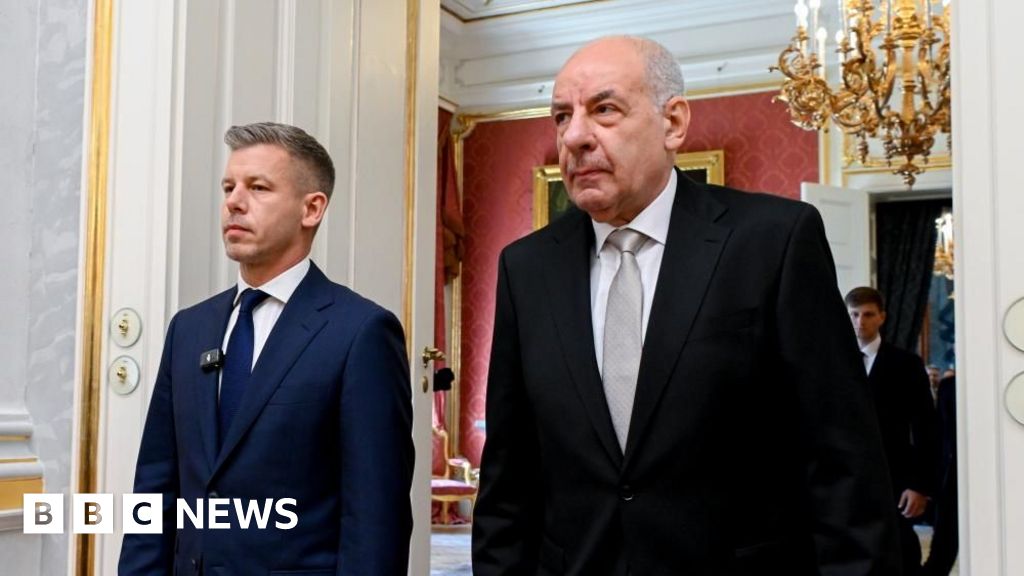
Hungary’s parliament approved a constitutional amendment on Monday to remove President Tamás Sulyok, a move marking a pivotal shift in the country’s political landscape following the April landslide victory of Prime Minister Péter Magyar’s Tisza party. The 17th amendment, passed with 139 votes in favor and six against, ends Sulyok’s term immediately, as part of a broader effort to dismantle structures established during former Prime Minister Viktor Orbán’s 16-year rule.
The amendment targets figures linked to Orbán’s Fidesz party, including Constitutional Court President Péter Polt, and includes provisions to retire judges over 70, impose a 12-year term limit on lawmakers, and establish an anticorruption body. These measures, framed by Magyar as necessary to restore “rule-of-law democracy,” have drawn sharp criticism from Fidesz, which accuses the Tisza party of overstepping its authority. Fidesz deputies walked out of the session, condemning the amendment as an “unprecedented assault on democratic order.”
Sulyok, appointed by Orbán’s Fidesz party in 2024, had been a symbol of the former regime’s influence. His removal comes amid broader reforms aimed at reshaping Hungary’s judiciary and political institutions. The president, who has refused to resign, now faces a choice: sign the amendment within five days or risk impeachment. If he resists, Magyar has vowed to initiate proceedings that would suspend him from office. Sulyok’s role as a ceremonial head of state is limited, but his authority to refer legislation to the Constitutional Court has raised concerns among reformers about potential obstruction of Magyar’s agenda.
The vote unfolded against a backdrop of intense political tension. Gergely Gulyás, Fidesz’s parliamentary group leader, resigned on Monday, citing the 12-year term limit as a barrier to his re-election. Orbán himself, who has largely retreated from public life since his party’s defeat, was in the United States attending the FIFA World Cup finals, further underscoring the fractured state of his political base. Magyar, who rose to prominence by breaking from Fidesz and leading the Tisza party to victory, framed the amendment as a mandate from voters to dismantle Orbán’s legacy. “It would be a betrayal of the Hungarian nation if we did not touch this constitution,” he told parliament, accusing Sulyok of failing to challenge antidemocratic policies during Orbán’s tenure.
Human rights groups like Amnesty International have called for a more nuanced approach, warning that the method of removal risks replicating the tactics of the previous regime. The amendment is part of a broader overhaul expected to culminate in a new constitution within two to three years. Magyar has emphasized that the process will prioritize direct elections for the presidency, a shift from the current system where the president is chosen by parliament. This goal aligns with the Tisza party’s vision of a more transparent and accountable governance model, though its success will depend on navigating the entrenched interests of the old order.
For Fidesz, the loss of Sulyok represents another blow in its rapid decline. The party, which once dominated Hungarian politics, now faces internal discord and a leadership vacuum. Orbán’s absence from the vote and his focus on international events have left his allies scrambling to mount a coherent response. Meanwhile, Magyar’s government continues to consolidate power, suspending state media outlets and targeting institutions linked to Orbán’s era. The coming weeks will test whether Hungary’s transition from authoritarianism to democracy can be achieved without further upheaval.
How significant is this development?
Cast your anonymous vote to register reader sentiment across business and policy circles.
CurrentDeck is dedicated to independent, evidence-backed reporting. This briefing was synthesized from primary source reporting, corroborated across independent newsrooms, and verified against our Editorial Standards.