Zelenskyy ousts Defense Minister Fedorov in major Ukraine cabinet reshuffle
President Volodymyr Zelenskyy has removed Defense Minister Mykhailo Fedorov as part of a sweeping cabinet reshuffle, sparking debate over the future of military reforms.
- Development: Zelenskyy ousts Defense Minister Fedorov in major Ukraine cabinet reshuffle
- Core Takeaway: President Volodymyr Zelenskyy has removed Defense Minister Mykhailo Fedorov as part of a sweeping cabinet reshuffle, sparking debate over the future of military reforms.
- Context: Primary reporting aggregated across independent newsrooms and verified against CurrentDeck standards.
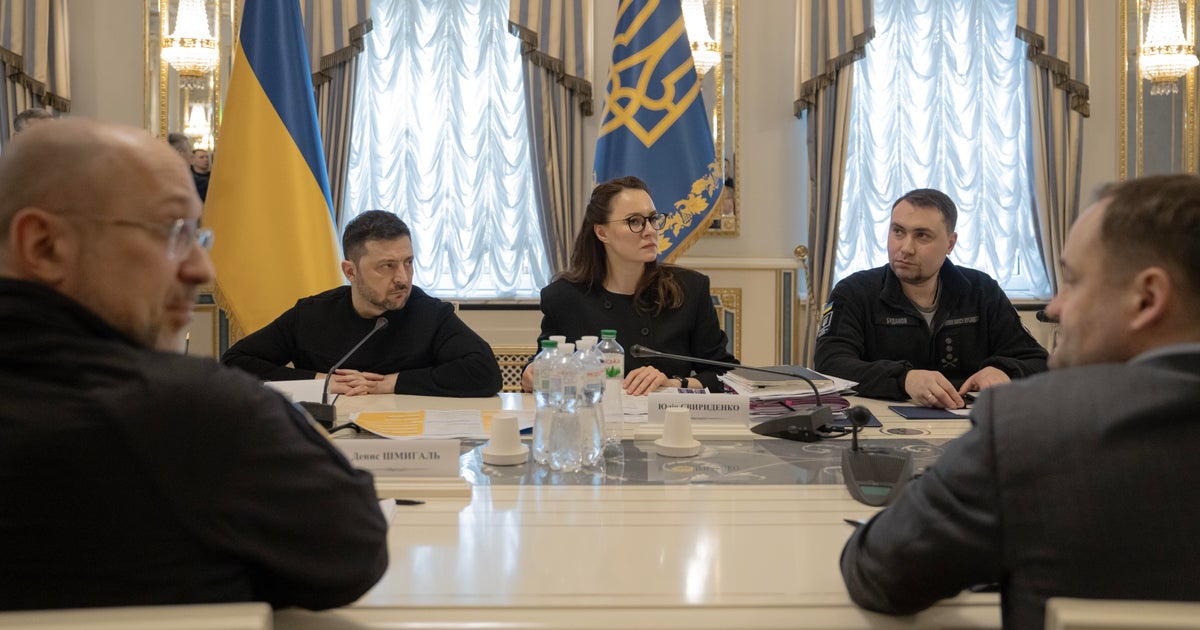
President Volodymyr Zelenskyy has dismissed Defense Minister Mykhailo Fedorov in a sweeping government reshuffle, marking a significant shift in Ukraine’s wartime leadership. The move, announced on July 15, 2026, follows the resignation of Prime Minister Yulia Svyrydenko and has sparked widespread debate over the reasons behind the abrupt changes. Fedorov, a 35-year-old tech entrepreneur who took office in January 2026, was credited with modernizing the defense ministry and achieving key military successes, including disrupting Russian logistics in Crimea and securing critical technological advantages. His dismissal, however, has been met with outrage from supporters and analysts who view it as a setback for Ukraine’s reform efforts.
Zelenskyy framed the reshuffle as a strategic realignment to address challenges ahead, including preparing for a harsh winter and strengthening ties with foreign partners. In a statement, he emphasized the need for “specific individuals with substantial experience” to lead key policy areas, though he did not explicitly detail the rationale for Fedorov’s removal. The defense minister’s abrupt exit comes amid reported tensions with Ukraine’s military leadership, particularly Commander-in-Chief Oleksandr Syrskyi, and allegations of friction over reform initiatives. Sources within the ruling Servant of the People party suggested that Zelenskyy viewed Fedorov’s proposals to overhaul the defense ministry as incompatible with the military’s traditional structures.
Fedorov’s tenure, though brief, was marked by notable achievements. He spearheaded efforts to disable Russian access to Starlink satellite communications, a move that crippled Moscow’s drone operations, and launched the “Logistics Lockdown” campaign to isolate Crimea by targeting enemy supply lines. He also streamlined procurement processes, reportedly saving billions of dollars for the state budget. In his farewell statement, Fedorov highlighted these accomplishments but acknowledged unfinished reforms, including the need to fully align the defense ministry with NATO standards and establish a culture of accountability. “There is more to come,” he wrote, vowing to continue his mission of defeating Russia through innovation and organization.
The decision to replace Fedorov with Interior Minister Ihor Klymenko, a figure seen as more aligned with traditional military leadership, has drawn criticism from both within and outside the government. Opposition lawmakers and military analysts argued that the move risks destabilizing Ukraine’s progress. “It’s bad news,” a Servant of the People party lawmaker told the Kyiv Independent, while political analyst Volodymyr Fesenko called the dismissal “absurd,” noting that Fedorov’s reforms had already gained traction. Critics also pointed to the rapid turnover of defense ministers, with Fedorov being the fifth in less than four years, as a sign of institutional instability.
Zelenskyy’s reshuffle also involved the appointment of Serhiy Koretskyi, head of the state energy company Naftogaz, as the new prime minister. Svyrydenko, who had led the government since 2025, was offered a diplomatic role, likely as Ukraine’s ambassador to the United States. Her departure, like Fedorov’s, was framed as part of a broader effort to recalibrate Ukraine’s political strategy. However, the lack of transparency surrounding the decisions has fueled speculation about internal power struggles. Some analysts suggested the moves reflect Zelenskyy’s desire to consolidate control amid growing public frustration over corruption and the war’s toll.
The dismissal has also raised questions about the future of Ukraine’s military reforms. Fedorov’s supporters, including Western allies, had praised his tech-driven approach as critical to countering Russia’s conventional advantages. Former U.S. Ambassador to Russia Michael McFaul and other foreign observers had urged Zelenskyy to retain Fedorov, warning that his removal could undermine progress. Meanwhile, opposition figures and civil society groups have called for protests, arguing that the reshuffle reflects a pattern of political maneuvering over substantive governance.
As Ukraine prepares for an uncertain winter, the reshuffle underscores the delicate balance Zelenskyy must strike between military pragmatism, political survival, and reform. While the president has positioned the changes as necessary for stability, the fallout from Fedorov’s dismissal highlights the risks of top-down decision-making in a country grappling with both external threats and internal divisions. The next phase will depend on whether Klymenko can address the challenges Zelenskyy identified—or whether the latest upheaval will further erode confidence in Ukraine’s leadership.
How significant is this development?
Cast your anonymous vote to register reader sentiment across business and policy circles.
CurrentDeck is dedicated to independent, evidence-backed reporting. This briefing was synthesized from primary source reporting, corroborated across independent newsrooms, and verified against our Editorial Standards.